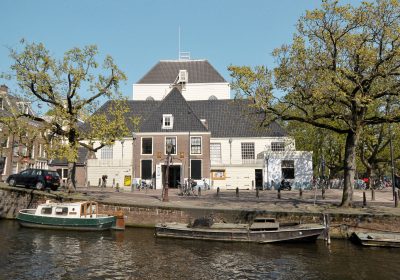
Onderdeel van een lezingenreeks van ICOMOS in de Amstelkerk.
The subject of this evening is the South African heritage landscape. We will learn about the current heritage challenges in a country carrying a burdened past and housing a very diverse population. Robin George, policy officer at the South African Heritage Resource Agency (SAHRA), will present an overview of the country’s heritage sector. Lebogang Marishane, employed at Johannesburg’s Constitution Hill, will subsequently elaborate on the preservation and interpretation of this recently UNESCO-listed World Heritage Property. Both lecturers currently participate in the South African – Dutch exchange programme on heritage management challenges.
ICOMOS-NL’s Lecture Committee,
Ankie Petersen, Anna Louwerse, Daan Lavies, Emma Egberts. Jacomine Hendrikse, Jean-Paul Corten, Milou Derksen, Remco Vermeulen
Programme
18h30 Drinks and meal
19h30 Introduction by Jean-Paul Corten
19h35 The South African heritage landscape by Robin George
20h15 Break
20h30 Constitution Hill, the legacy of Democracy by Lebogang Marishane
21h15 End
The South African heritage landscape by Robin George
The South African heritage landscape is a highly contested space which is ever evolving. Comprising of pre-colonial, colonial, apartheid era and post-colonial legacies, South Africa as a nation had to confront these legacies as it sought to transform the space into one which is more inclusive and resonates with all its diverse people. Nicknamed the “Rainbow Nation” by Archbishop Desmond Tutu and later used by President Nelson Mandela, South Africa through its National Heritage Resources Act (NHRA) 25 of 1999 sought to address the imbalance of its cultural heritage landscape by adopting a more holistic definition of heritage. Through the repealing of the National Monuments Act 28 of 1969, the NHRA sought to broaden the scope of heritage and created a new three tier heritage structure in managing heritage resources. In doing so, the age old definition of “monument” has been challenged with a pertinent question being asked: “What heritage and whose heritage is protected?”. This presentation seeks to delve into some of these themes to give an overview of the sector in South Africa and the challenges which heritage authorities are faced with in regulating and managing the sector.
Constitution Hill, the legacy of Democracy by Lebogang Marishane
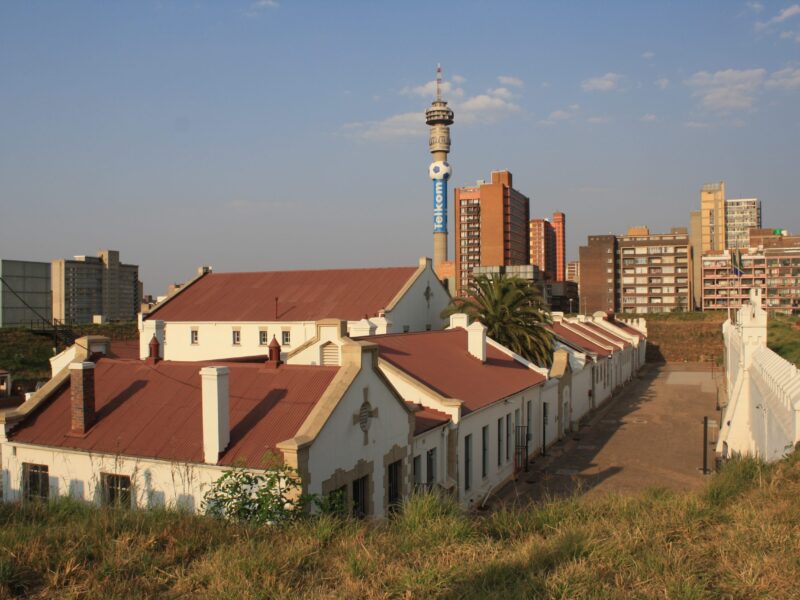
What is known today as Constitution Hill in Johannesburg used to be a prison and fortress where political prisoners were kept under an Apartheid regime; Nelson Mandela and Mahadma Gandhi were amongst them. For reasons of reconciliation and commemoration the site was turned into South Africa’s Constitutional Court after 1994. Recently the site has been listed as a World Heritage Property as part of the Nelson Mandela Legacy Sites. But how to present the issue of human rights and the rule of law to a current generation? This is one of the topics in the knowledge exchange with The Hague as a city of Peace and Justice. Other topics in this exchange programme deal with maintenance and restoration. But both countries also share spatial challenges regarding security and livability of these sites of Justice.
About the lecturers:
Robin George is a Heritage Officer at the South African Heritage Resources Agency (SAHRA) based in Cape Town, South Africa. He is an alumnus of the University of the Western Cape as well as the University of Cape Town. His focus areas are Geography, Environmental Studies and Tourism, and he possesses a Master of Philosophy (MPhil) Degree in Environment, Society and Sustainability from the University of Cape Town. His work experience includes non-governmental organisation community work as well as working for entities at provincial and national government levels in South Africa. At the provincial level in the Western Cape Province of South Africa, he dealt with local and provincial tangible cultural heritage resources. As a member of SAHRA’s Built Environment Unit, his current work functions includes continuous research on heritage sites, stakeholder engagement, site visits and inspections as well as evaluating and permitting of proposals for interventions to National Heritage Sites, some of which also has United Nations Educational, Scientific and Cultural Organisation (UNESCO) World Heritage status. As a member of the International Council on Monuments and Sites (ICOMOS) South Africa, he has also attended trainings and engagements hosted by ICOMOS International as well as UNESCO’s World Heritage Centre.
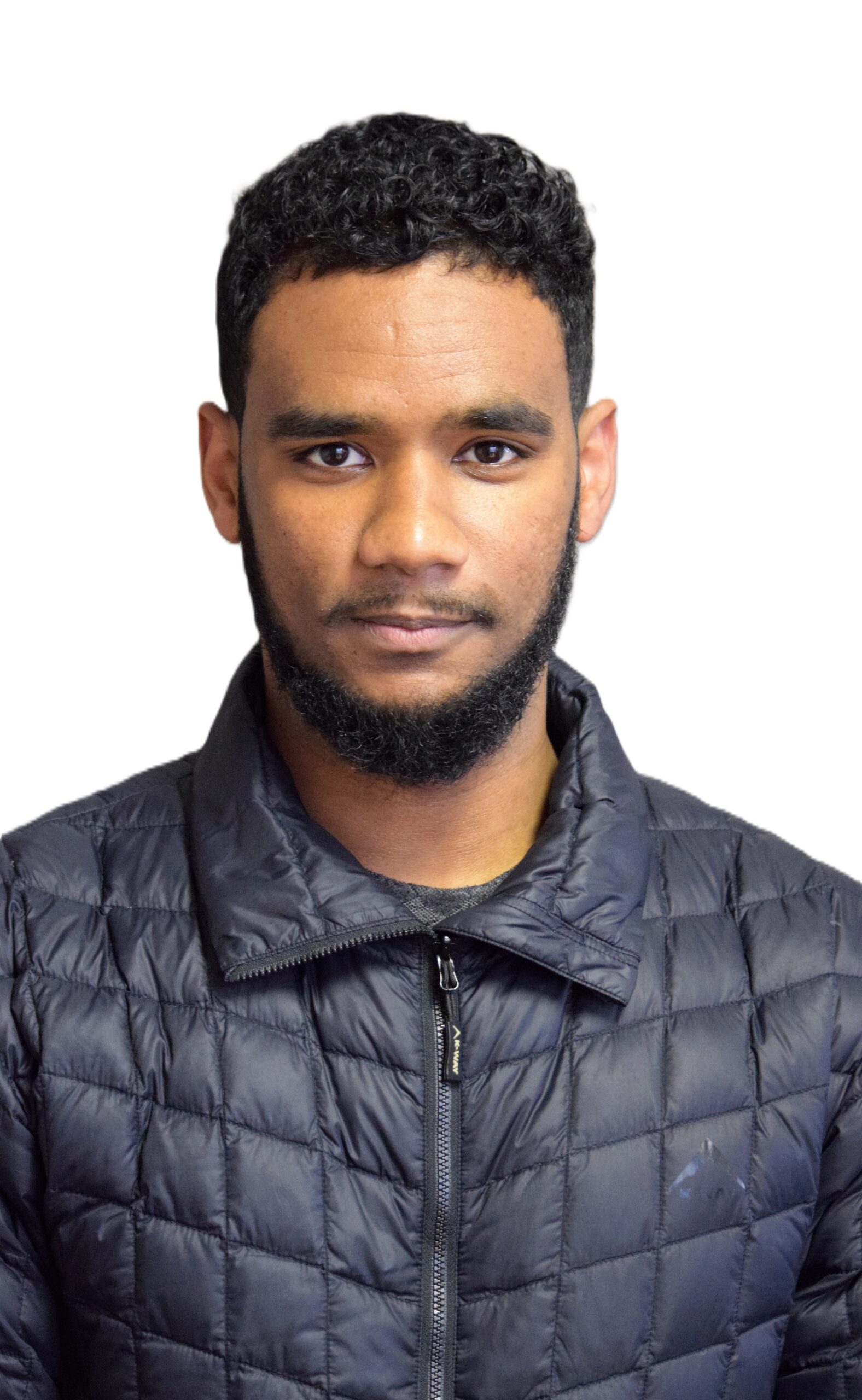
Lebogang Marishane Lebogang Marishane is a distinguished cultural diplomacy and transitional justice practitioner, renowned for her leadership in international community engagement to promote inclusive narratives in museums and heritage sites. At Constitution Hill in Johannesburg, an internationally acclaimed site of conscience, she has designed and implemented strategies that foster democratic values by creating spaces for historical reflection and social justice dialogue, notably advancing efforts to “correct the record” by amplifying marginalized voices and addressing erased or omitted histories. Her work extends globally through participation in networks like the International Coalition of Sites of Conscience, where she collaborates to share methodologies and build solidarity across diverse transitional justice contexts, ensuring museums become dynamic platforms for inclusive memory, engagement, and action. Lebogang’s approach integrates cultural diplomacy with transitional justice principles, emphasizing inclusive narratives that promote social cohesion, accountability, and democratic governance through culturally rooted community participation and international dialogue. This positions her as a vital voice in the global heritage and human rights sectors, committed to transforming painful histories into legacies of justice and reconciliation.